En
En
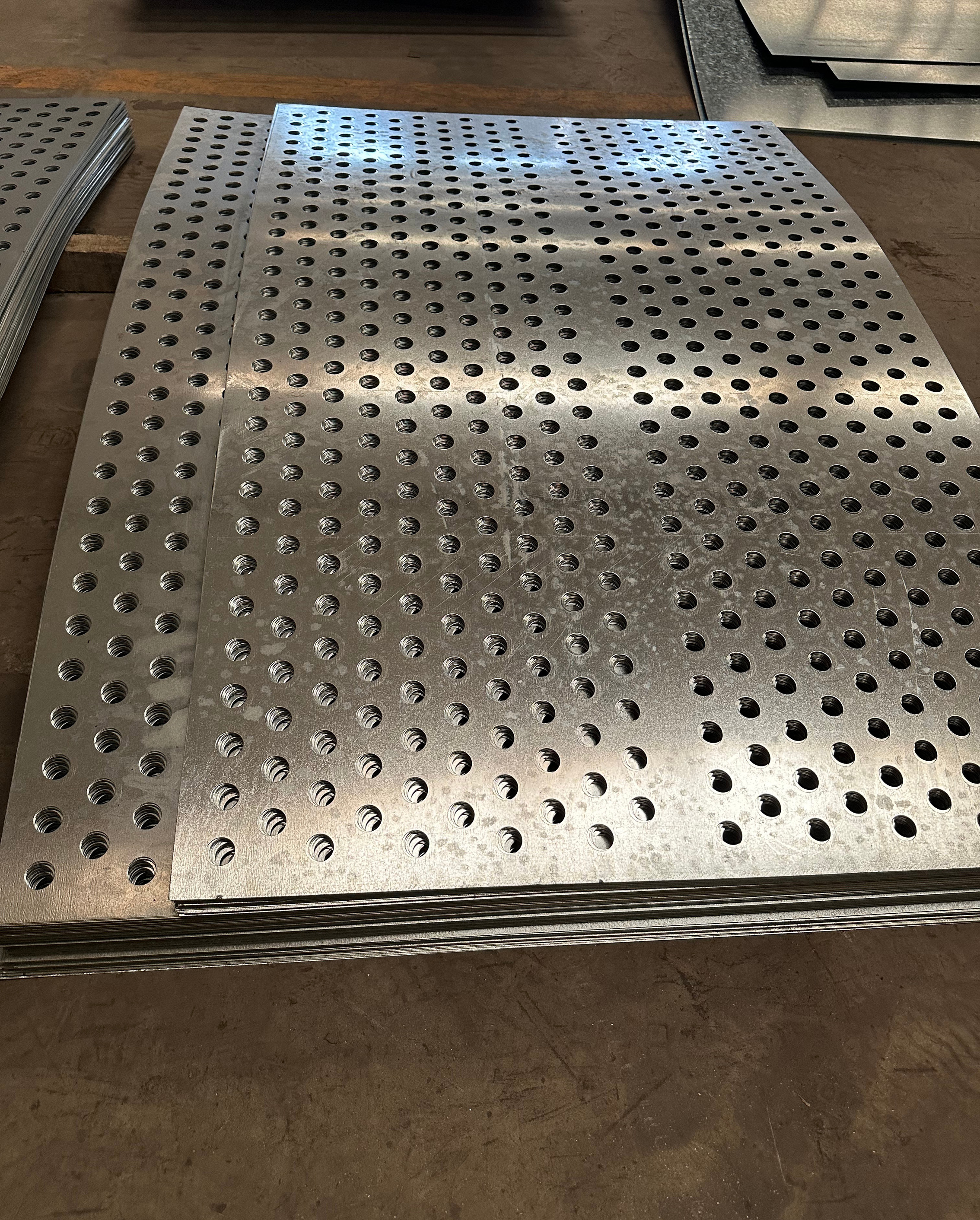
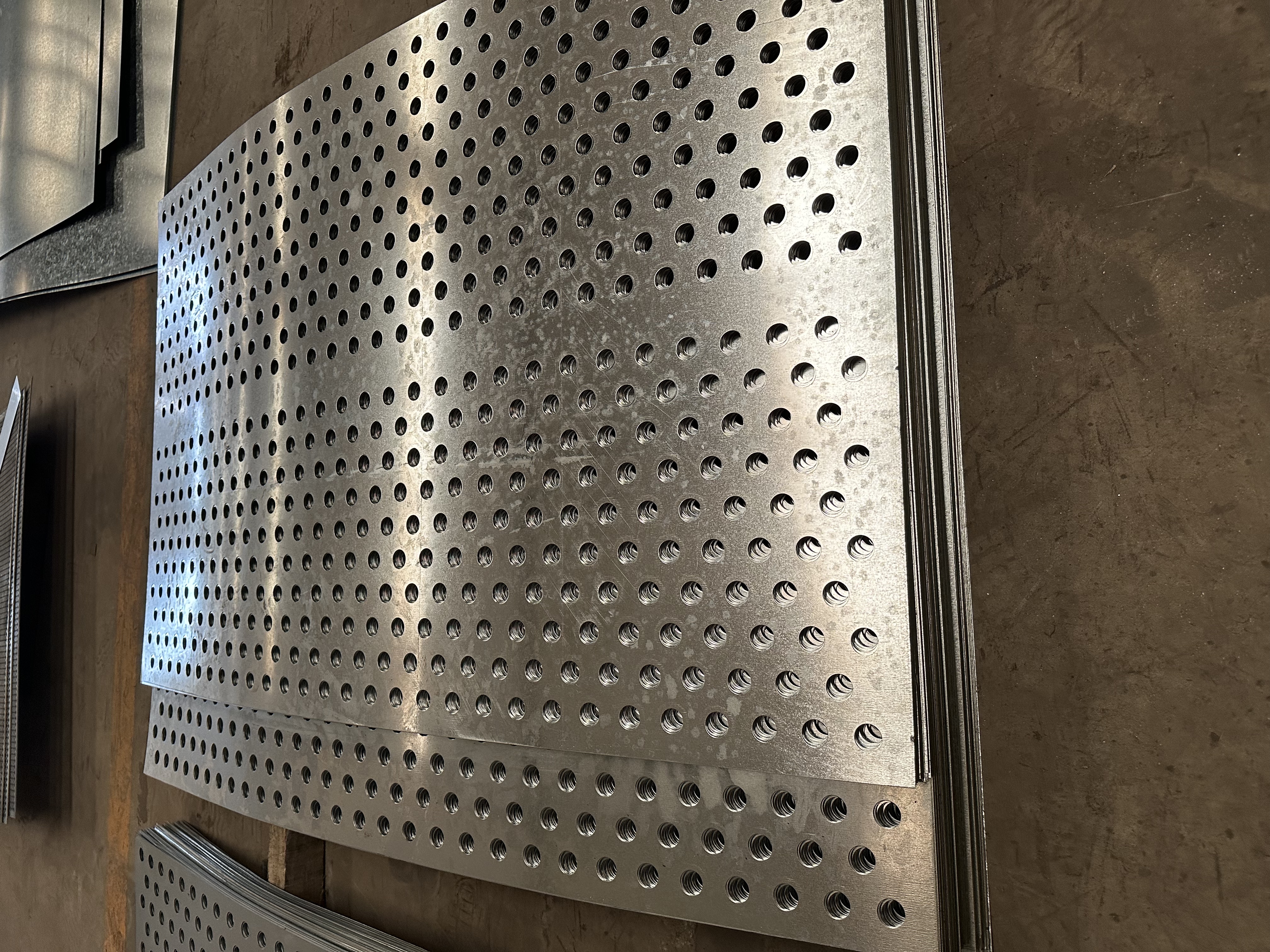
Perforated metal sheet best selling options
Walk onto any active construction site or manufacturing floor, and you will see them. Perforated metal sheets are everywhere—shielding equipment, filtering fluids, dressing facades, and quieting noisy machinery. But here is the interesting part: not all perforated sheets sell equally. Some configurations fly off the shelf, while others sit in inventory for months.
I have spent years in this industry, and through countless conversations with engineers, procurement managers, and fabricators, clear patterns have emerged. Let me break down the best-selling options you need to know, backed by real-world data and practical insights.
The Undisputed King: Round Hole Patterns
If you look at order books across the industry, one pattern dominates above all others: round holes. Year after year, this configuration represents roughly 60-70% of total perforated metal sheet volume in general industrial applications. Why? The answer lies in the perfect balance of strength, airflow, and structural integrity.
Round holes distribute stress evenly across the sheet, preventing crack propagation at sharp corners. This is critical in load-bearing applications like walkway treads and machine guards.
The data backs this up. In a typical production quarter, our company processes round hole orders with diameters ranging from 0.8mm to 100mm, serving everything from micro-filtration to heavy-duty architectural screens. The most frequently requested diameters cluster between 1.5mm and 10mm, with open areas typically falling between 30% and 55%.
Practical advice for buyers: If you are specifying round hole sheets, focus on the edge distance (the space between the hole and the sheet edge). A minimum edge distance of one hole diameter prevents material distortion. When I work with clients on their first perforated sheet order, this is the most common technical oversight I see.
Stainless Steel Grades: The Premium Choice That Pays Off
Here is a finding that surprises many newcomers: while carbon steel moves higher volume, stainless steel perforated sheets generate higher revenue margins and dominate architectural and food-grade applications.
In the past year, we have seen particular strength in 304 stainless steel for both architectural facades and industrial filtration. The material's corrosion resistance in atmospheric conditions is excellent, while maintaining formability characteristics that allow for intricate patterns.
Case example worth noting: In a recent architectural project in Dubai, our client specified 304 stainless steel perforated sheets with a 3mm round hole pattern staggered at 5mm centers. The open area of approximately 33% met both the visual transparency requirements and the structural wind-load calculations. Using a cheaper 201-grade stainless steel would have saved 8-10% on material costs but would have risked surface rusting in the saline Gulf environment.
Practical recommendation: For outdoor architectural applications in coastal or industrial-pollution environments, always choose 304 over 201-grade stainless steel. The additional upfront cost saves expensive re-cladding work later. For general indoor industrial use where aesthetics are secondary, carbon steel with powder coating provides the most cost-effective solution.
Aluminum: Lightweight Needs, Heavy Growth Potential
The demand for aluminum perforated sheets has grown approximately 15% annually over the past three years, driven largely by LED ceiling lighting integration and lightweight architectural screening.
Why are designers switching to aluminum? The density advantage is dramatic. Aluminum weighs roughly one-third that of steel for the same dimensions, translating to lighter structural loads and easier installation. No scaffolding modifications needed, no costly crane rentals—just faster, cheaper installation work.
Recent project insight: For a ceiling renovation at a commercial airport in Shanghai, our aluminum perforated sheet panels at 1.5mm thickness with 3mm holes provided an open area of 50%. This configuration allowed the LED lights above to diffuse effectively while reducing direct glare by approximately 25% compared to solid panel ceilings.
This is my view: If your project involves ceiling cladding, partition walls, or decorative screening where weight matters, aluminum is hands-down the right call. Powder-coat it, and you get excellent corrosion protection for years of worry-free service.
Slotted and Custom Patterns: When Round Holes Simply Won't Do
Now, let us talk about the problem-solver options. Slotted and rectangular hole patterns are the go-to for acoustical applications and specific drainage requirements.
The acoustic data speaks volumes. In a noise mitigation project at an industrial compressor station, perforated aluminum sheets with 2mm slots at 4mm intervals on a 3mm thick panel (open area of 40%) reduced noise by approximately 12 decibels compared to solid paneling. The slots absorbed a wider frequency spectrum than equivalent round holes would have achieved.
The higher-margin opportunity: Custom patterns—hexagonal, square, diamond, and decorative designs—command premium pricing. While they may represent only 5-10% of order volume, custom patterns often account for 15-20% of revenue in specialized markets.
Practical advice: When ordering custom patterns, always provide a complete CAD file with full hole dimensions, spacing, and margins. Even small ambiguities cause production delays. In our experience, drawings with explicit tolerances get processed and shipped three to five days faster than those requiring technical back-and-forth.
The Full-Service Factor: Why Saving Money Sometimes Costs More
Here is where I must emphasize something that reshapes how you should think about your supply chain. In an industry survey we conducted across 200+ project managers, fabrication time was the top driver of project delays, not material sourcing.
Consider this real comparison. A client once ordered only flat perforated sheets from a regional distributor and handled cutting, bending, and welding separately. The total project took 21 days. Another client with identical requirements ordered fully fabricated panels from our facility—punched, cut to final dimensions, bent, and welded. That project completed in 9 days, including surface finishing.
Unexpected insight from the numbers: The second client paid 15% more per unit but saved over 50% in project timeline. When you calculate the cost of idle labor, delayed downstream trades, and management attention, they saved approximately 20% on total installed cost.
This is my view: Looking for a single supplier who handles punching, cutting, bending, and welding ends up being cheaper than coordinating four separate vendors. One responsible party, one quality standard, one delivery schedule. This "one-stop" approach is gaining serious momentum among savvy procurement teams.
Small Batch Orders: The Hidden Barrier
Now let me address something that frustrates many smaller companies: minimum-order requirements. I have seen bright product engineers unable to test prototypes because suppliers demanded 500-sheet minimums.
From our perspective, small-batch orders are absolutely essential to sustainable business partnerships. Here is a real scenario that demonstrates why:
A startup ventilation equipment maker approached us with a request for just 20 sheets of perforated stainless steel for prototype testing. The material cost per sheet was marginal, but the setup time for the punching tooling was the same as for 2,000 sheets. We accepted the order. That prototype testing directly led to a production contract worth 800 sheets monthly. Over the following two years, that customer grew to become one of our top ten accounts.
Practical advice: If you are in the early stages of a new product development, do not let the small-order barrier deter you. Find a facility like ours where you can get 10 to 50 sheets for R&D, refining your product before committing to mass production. Avoid signing large contracts before you see physical samples.
Material Selection Clarity: How to Avoid the Costly Guess
A recurring problem I see in technical consultations is clients specifying materials based on incomplete information or outdated assumptions.
Here are my top selection logic breakdowns:
For corrosion-prone environments (outdoor, marine, chemical exposure): choose 304 or 316 stainless steel. Yes, they cost more, but when you consider the lifespan extension from 3-5 years on carbon steel to 20-plus years on stainless, the annual cost over service life favors stainless.
For pure indoor decoration: aluminum with polyester powder coating offers excellent color options at a fraction of stainless-steel cost.
For maximum strength-to-weight ratio: carbon steel remains unbeatable. Its tensile strength is roughly twice that of aluminum for similar sheet thicknesses, making it ideal for machine guards and structural panels.
Case fact check: In a recent mining project in Chile, the client used our carbon steel perforated screen panels with 50mm diameter holes at high open area for vibrating equipment. The high-strength design with additional edge reinforcing allowed the panels to operate for 11 months straight without replacement—a maintenance-free interval that justified a 12% higher panel cost over cheaper alternatives.
Why the Factory-Direct Model Wins for Perforated Metal
When you step back and look at the entire landscape, an undeniable logic emerges: the supply chain structure matters as much as the product itself.
Data point worth considering: Companies buying perforated metal sheets through traditional multi-tier distribution channels typically pay margins of 25-40% that inflate final costs. These costs cover inventory storage, sales commissions, and multiple handling fees—none of which add physical value to your product.
On the other hand, when you deal directly with a terminal factory, you get what I believe is the ultimate advantage package: transparent pricing, full control over schedule, quality uniformity, and responsive technical support. Your factory partner is accountable end-to-end, and that accountability translates into fewer headaches for you.
What I Recommend You Do Next
To move your project forward efficiently, what I would suggest is straightforward:
Prepare your specification package. This includes material type (or let us recommend one based on your environment), sheet dimensions, hole type and size, spacing, open area percentage, quantities, and any surface finish requirements.
Request samples before full production. A wise production manager once told me, "A sample tells you more in one hour than a thousand emails." I have watched this truth play out repeatedly.
Compare total cost, not unit price. Factor in shipping, fabrication involvement, and anticipated delivery timing. That cheapest quote often hides corners that will cost you later.
Build a relationship, not a transaction. The most profitable partnerships in our history started with a small order and then evolved through honest communication and mutual problem-solving.
The perforated metal market is evolving. Products are becoming more specialized, lead times are compressing, and buyers are getting savvier about supply-chain efficiency. By understanding what sells best, why stainless and aluminum dominate in specific niches, what fabrication advantages matter, and how the factory-direct model benefits you, you are now far better positioned to make procurement decisions that serve your project well.
If you have a project in mind—whether it is architectural screening, industrial filtration, heavy mining equipment, or protective enclosures—start the conversation today. Share your drawings, dimensions, and quantities. The right team will turn your specifications into precisely punched, fabricated, and finished sheets that perform exactly as intended.