 En
En
Perforated metal sheet source from original factory
If you are involved in any project requiring architectural facades, industrial filtration, or heavy-duty screening, you know the frustration. You have the drawings ready, the deadline is set, and then the procurement nightmare begins. You are juggling quotes from traders, waiting on middlemen, and hoping the quality doesn't fall apart at the last minute.
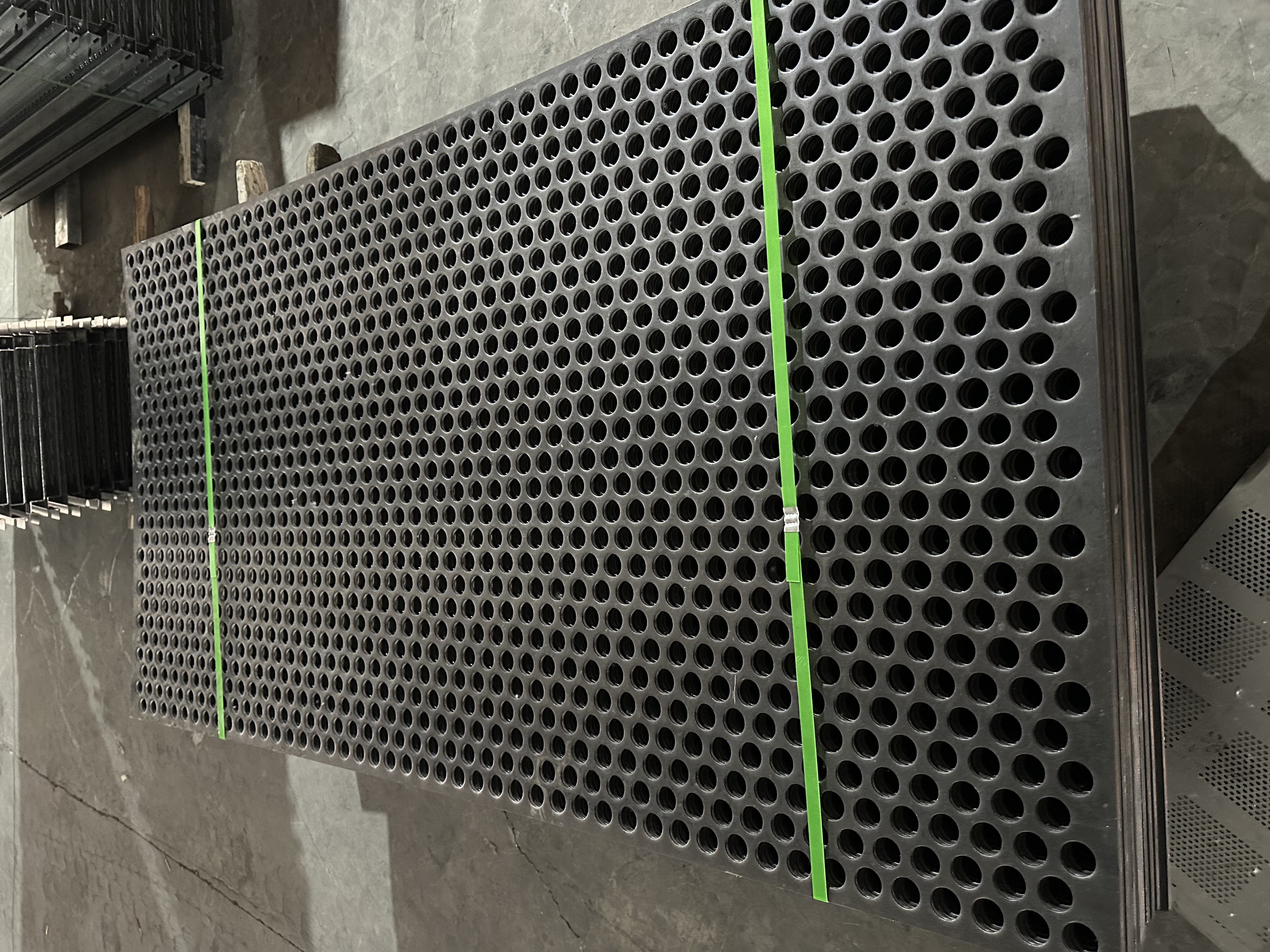
The market for perforated metal is fragmented. Between the raw material supplier, the punching contractor, and the finishing shop, the chain is long. Every hand-off adds cost and introduces risk. This is precisely why smart buyers are shifting their strategy toward sourcing directly from an integrated terminal factory. Let’s look at the hard data and practical steps to ensure your next project doesn't become a case study in supply chain failure.
The Real Cost of the "Middle Layer"
The traditional supply chain for perforated sheets often looks like this: Mill → Trading Company → Perforating Subcontractor → Surface Treatment Shop → You. At each step, there is a margin added. Industry analysis suggests that traders typically add a markup of 15% to 30% on raw materials just for order processing.
But the cost isn't just financial. It is logistical.
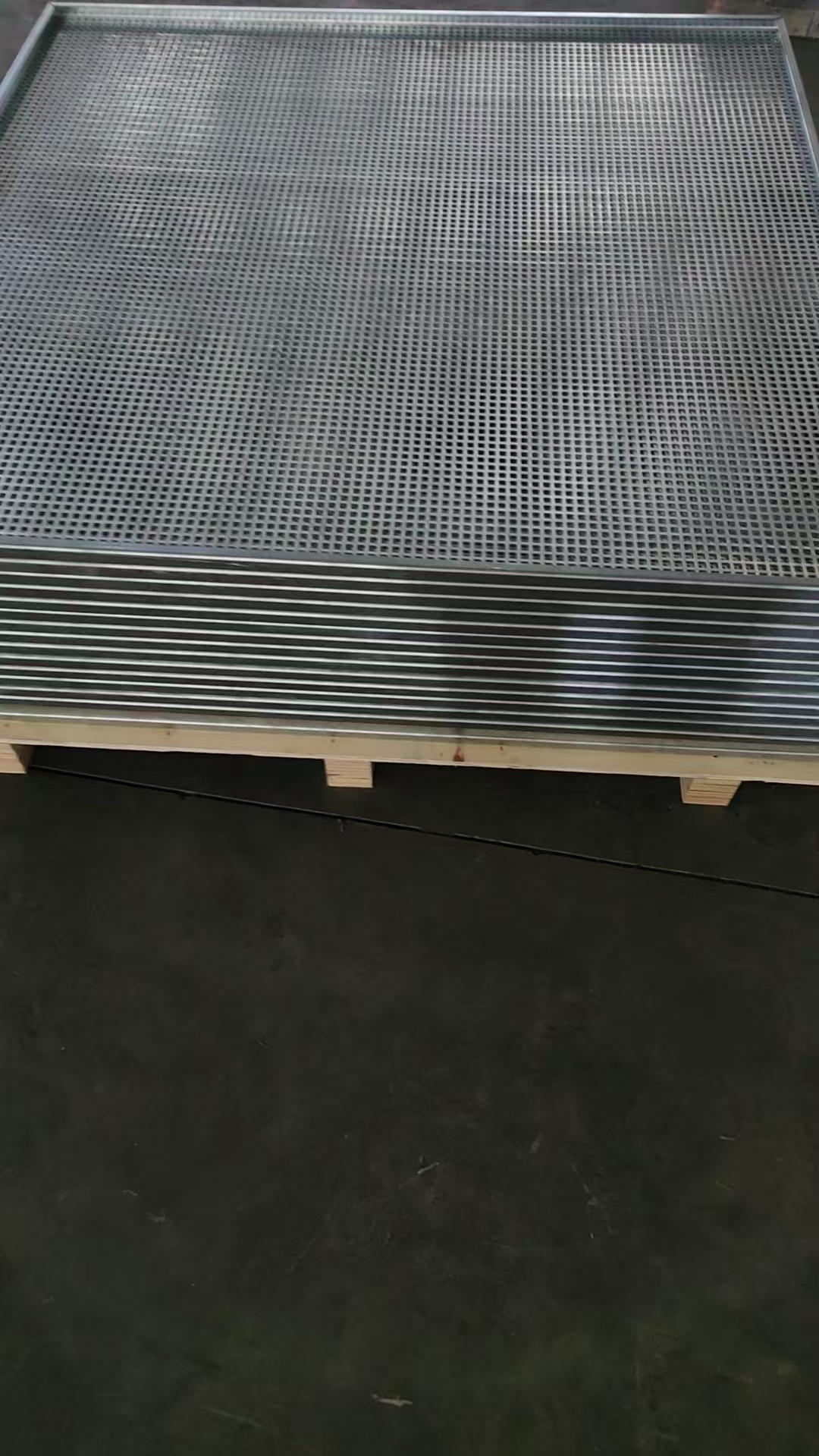
Case in Point: A recent architectural project for a commercial complex in the Middle East required 5,000 square meters of stainless steel perforated panels. The main contractor initially sourced from a trading desk that outsourced the punching to a third-party workshop. The result? A two-week delay in delivery because the subcontractor’s machine broke down, and the trading company had no control over the repair timeline. The delay caused a cascade of penalties for the contractor. When they switched to a factory with in-house machinery, the production schedule became tangible and enforceable.
The Technical Advantage of a Self-Contained Production Line
When you source from a factory like Hengai Metal, you are not just buying a sheet of metal with holes in it. You are buying the assurance of metallurgical integrity. Let’s break down the technical parameters that matter and how a single-source factory nails them down.
1. Material Traceability and Chemical Composition
The Problem: When you order "304 Stainless Steel" from a middleman, you are trusting their word. Often, cheaper grades like 201 are substituted to win the bid, leading to premature rusting in coastal environments.The Solution: A direct factory purchase ensures the coil originates from a known mill. At Hengai Metal, we maintain strict records of the material heat number. This allows full traceability back to the smelter, ensuring the chromium and nickel content meets the standard.
Actionable Tip: When requesting a quote, do not just ask for "Stainless Steel." Ask for the specific grade (e.g., 304/2B) and request a Material Test Certificate (MTC) with the shipment.
2. Precision in Hole Geometry and Pattern
The Problem: In filtration, the difference between 0.5mm and 0.8mm holes is the difference between a working filter and a clogged one. Traders often don't know the tolerance limits of their subcontractors.The Solution: Factories use CNC turret punch presses and high-speed perforating machines. The tooling is maintained daily. A significant advantage of working with Hengai Metal is their ability to hold tight tolerances on the hole diameter (±0.05mm) and ensure the center-to-center distance is consistent across large sheets. This is vital for screen printing or acoustic panels where visual uniformity is required.
Actionable Tip: Always ask for a "first article inspection" report. If you are ordering 1,000 sheets, the factory should offer to produce one full-size sample (or a corner sample) at the start of the run. This validates the die alignment, not just the raw material.
3. The "De-burring" & Flatness Factor
The Problem: Poor quality sheets come with heavy burrs on the underside. This creates gaps in stacked assemblies or causes injury during handling. It also ruins paint adhesion.The Solution: At Hengai Metal, the full-process production chain includes grinding and de-burring stations. Furthermore, because we control the punching and the cutting, we can manage the internal stress of the metal. The issue of "oil canning" or warping post-punching is significantly reduced because the factory can pre-level the coil.
Actionable Tip: Specify the maximum burr height allowable (usually less than 0.1mm) in your RFQ. Also, specify the flatness tolerance (e.g., max 3mm per square meter). A terminal factory will meet this because they are not shipping flat sheets that got bent on a truck from one workshop to another.
Forming and Fabrication: The Hidden Cost Saver
Many buyers make a critical mistake: they buy flat sheets from one place and then send them to a laser cutting or bending shop for the final shape. This creates a two-vendor headache. If the part doesn't fit, who is at fault?
Case in Point: A manufacturer of industrial ventilation hoods needed perforated panels with complex bends and welding. Sourcing from Hengai Metal allowed them to order the panel pre-cut, punched, and bent to the exact angle (e.g., 90° with a 2x the sheet thickness inner radius). This "one-stop" approach eliminated the need to handle fragile flat sheets and minimized the risk of scratching the finished surface.
The Advantage: Integrated Fabrication. Factories that possess laser cutting, punching, and bending machinery under one roof—such as Hengai Metal—can deliver a finished component. They can weld the perimeter of the sheet to stiffen it or attach mounting flanges. This shifts the responsibility for final geometry to a single engineering team.Actionable Tip: Check if your supplier offers "CNC punching + CNC bending." If your project involves more than 100 identical panels, having the factory perform the folding saves you the cost of assembling them on-site.
Three Non-Negotiables for Your Next Order
To guarantee success, I recommend integrating the following checks into your procurement SOP.
1. Audit the Machinery List, Not Just the WebsiteAsk for photos or a video call showing the specific punching machine that will run your job. If they show a generic photo from the internet, it is a red flag.
2. Demand a Sample Before Mass ProductionNever rely on a verbal promise of "it will be fine." The cost of a sample (including rapid tooling if necessary) is minuscule compared to the cost of a rejected container. If the factory is genuinely producing in-house, sending a pre-production sample takes only a few days.
3. Confirm Surface Treatment CapabilitiesPerforated edges are vulnerable to corrosion. If you need powder coating or galvanizing, ensure the factory can handle the pre-treatment (degreasing and phosphating) in-house or with a strict partner. A good factory ensures the paint covers the inside edges of the holes to prevent creep corrosion.
Conclusion
The industrial buyer’s market is moving away from paper traders and toward manufacturers who hold the physical assets. By sourcing perforated metal from a genuine original factory like Hengai Metal, you are not just purchasing a commodity; you are buying back your time, securing your quality standards, and protecting your project's schedule.
Stop settling for the uncertainty of the middle layer. Engage directly with the engineers and production teams who have the answers. The result is a smoother project with fewer headaches and a healthier bottom line. When the technical parameters are tight, the only way forward is to go direct.