 En
En
Perforated metal sheet for industrial use which is good
Choosing the wrong perforated metal sheet can lead to costly downtime, premature failure, and safety hazards in demanding industrial environments. A seemingly minor error in material selection or hole specification often translates into thousands of dollars in lost productivity and frequent replacements. To avoid these expensive pitfalls, you need a clear, data-driven approach to selection.
Recent industry analyses indicate that improper material selection accounts for nearly 30% of premature equipment failures in filtration and screening applications. Furthermore, projects that prioritize upfront cost over lifecycle value typically face a 15-20% increase in total maintenance expenses within the first two years. This article provides a practical, no-nonsense framework to evaluate your options and secure a reliable, cost-effective supply.
1. Prioritize Material Compatibility Over Everything Else
Your operating environment dictates the material. A poor choice here can lead to corrosion-related failures in as little as 6-12 months, especially in chemical or marine settings.
Stainless Steel (304/316): For high moisture, chemical exposure, or food processing, stainless steel is often non-negotiable. Its corrosion resistance ensures longevity. For instance, in a seafood processing plant, 304 stainless is the baseline, but brackish water or high chloride exposure often requires 316 grade to prevent pitting. In filtration systems handling acidic solutions, stainless steel's durability prevents media degradation, maintaining consistent flow rates.Carbon Steel & Galvanized Steel: For structural applications, machine guards, or ventilation in dry indoor environments, carbon steel offers high strength at a lower cost. If outdoor exposure is expected, hot-dip galvanizing is crucial. A cost-benefit analysis we reviewed showed galvanized steel provides up to 5 times the lifespan of untreated carbon steel in atmospheric conditions, making it a highly economical choice.
Aluminum: When weight is a primary concern, such as in architectural facades or transport vehicle components, aluminum is the go-to. Its natural oxide layer provides good corrosion resistance. In a recent project for a transportation OEM, switching from steel to aluminum perforated panels reduced component weight by 60%, leading to significant fuel savings that far outweighed the higher material cost per sheet.
Actionable Guidance:
Audit the Environment: Document the temperature range, chemical exposure, humidity, and potential for abrasion at the installation site.Calculate Total Cost of Ownership: Do not just compare material price per kilogram. Factor in the expected lifespan of the component in your specific environment to calculate the true annual cost.
Test a Sample: Before committing to a bulk order, place the sample panel in the actual operating environment for a few weeks to observe its reaction to real-world conditions.
2. Scrutinize Production Capability & Quality Control
The best material in the world is useless if the fabrication process introduces defects like inconsistent hole patterns, excessive burrs, or warped panels. A significant portion of customer returns in the metal fabrication sector—roughly 8-10%—is attributed to poor manufacturing precision. These imperfections lead to installation problems and premature cracking under stress, especially in high-vibration applications like mining screens.
When evaluating a supplier, their manufacturing philosophy is as important as the price quote. A common point of failure we see is from companies that rely heavily on external processing. Outsourcing steps like punching, cutting, or welding creates communication gaps, inconsistent quality, and lost time. If tolerances are off by just a few millimeters, the panel might not fit the support frame, resulting in on-site rework and project delays.
To ensure quality and consistency, look for a true terminal factory. A manufacturer that operates a full in-house production line—from punching and laser cutting to bending and welding—offers a distinct advantage. For example, Hengai Metal operates a complete facility with punching machines, turret punch presses, laser cutters, and welding stations. This vertical integration means they can control quality at every step, ensure precise dimensions, and maintain strict tolerance adherence, whether the order is for fifty or five thousand pieces. They can also quickly adapt to design changes without the risk of miscommunication between different vendors, ensuring that the finished component matches your exact specifications.
Actionable Guidance:
Audit for Integrated Capabilities: Ask suppliers if they handle all processes in-house or outsource them. In-house processing is a strong indicator of stable quality and reliable delivery.Inspect Finished Edges: A high-quality punched hole is clean with minimal burs. Rough edges can tear filter media or cause stress fractures over time.
Request a Detailed Pre-Production Sample for Your Specific Job. Ensure the supplier is willing to invest time in getting the process right before the main run.
3. Demand a Partner Who Solves Problems, Not Just a Product Vendor
Often, project engineers struggle with how to achieve a specific open area percentage or structural strength without distorting the metal. A standard product might not fit your needs. According to a global study, over 40% of industrial products today require some level of customization, meaning that a "one-size-fits-all" approach fails to deliver optimal performance.
The right supplier contributes engineering expertise to help you find the optimal balance between strength, airflow, and cost. Their engineers should assist with technical specifications, such as recommending a staggered hole pattern for increased strength, or adjusting the lip height on a filter component for better sealing.
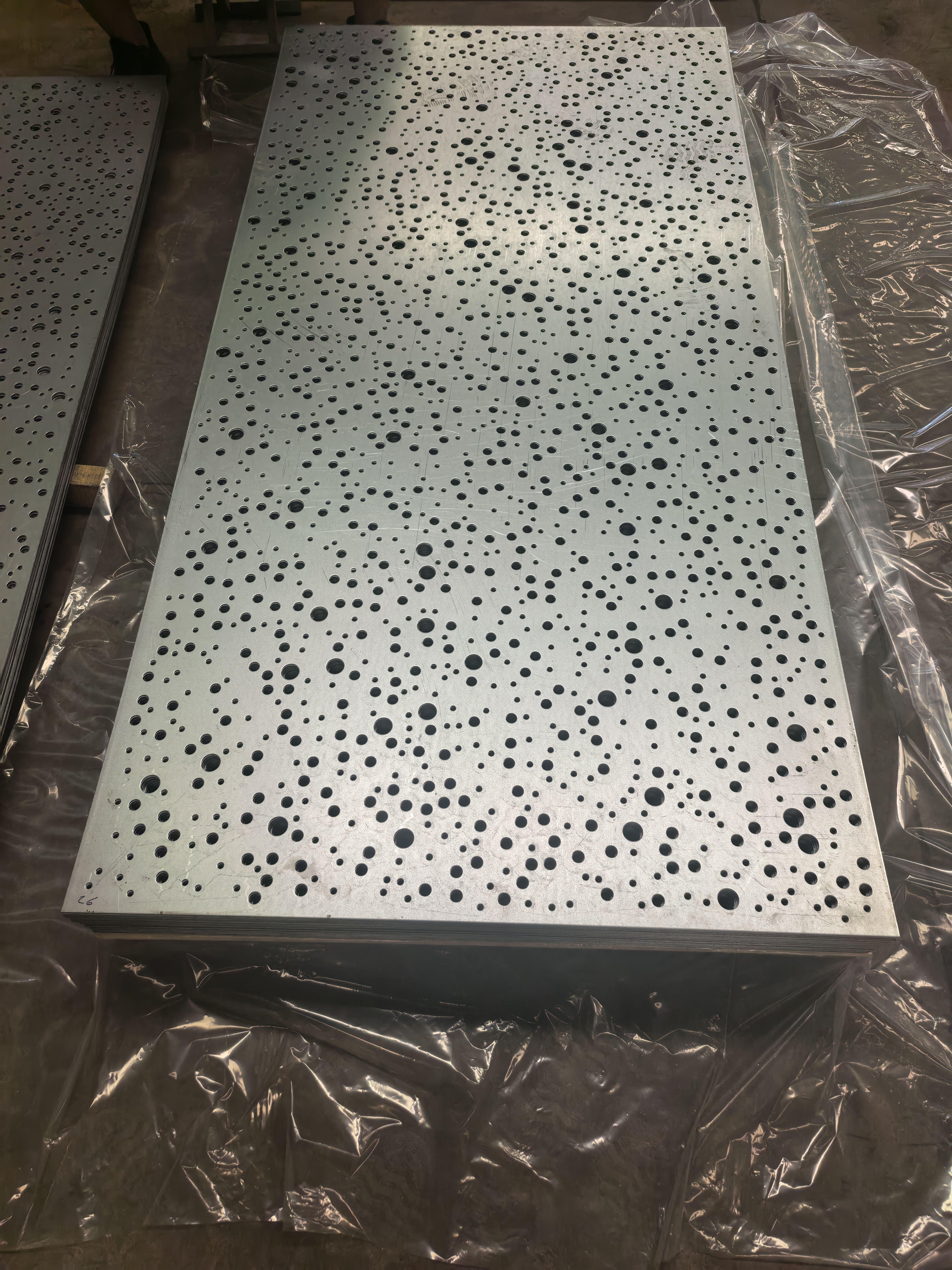
Consider a project involving acoustic panels in a high-noise industrial facility. A basic manufacturer might just supply flat sheets. A solutions-oriented partner like Hengai Metal would not only provide the perforated sheets but also recommend a specific dimpled or expanded pattern to enhance sound absorption, and offer to bend, shear, and weld the panels into ready-to-install baffles. This saves you from coordinating with multiple custom fabricators and reduces the liability of your own assembly staff. They ensure the curved or box-shaped component is delivered complete, reducing your secondary processing costs and shortening your overall construction timeline.
Actionable Guidance:
Ask "What If" Questions: Present your performance requirements (e.g., airflow restriction, noise reduction coefficient) and ask the supplier for their recommendation, rather than just sending a drawing.Inquire about Deep Processing: Can they supply a bent, welded, and surface-treated final product, like a filter cylinder or a complete machine guard? This consolidated supply chain reduces your procurement costs and administrative burden. Hengai Metal, for example, supports OEM/ODM and provides a one-stop service from raw material to packaging.
Evaluate Response Time on Technical Queries: If it takes them days to answer a technical question or provide a revised drawing, this is a warning sign of future project delays.
Conclusion
The "best" perforated metal sheet for your industrial use is not just the one with the lowest quote. It is the one that offers the most reliable performance for your specific application.
Focusing on three critical pillars will guide your selection process to a successful outcome. First, prioritize material compatibility and analyze the true lifecycle cost, not just the initial price. Second, choose a supplier with fully integrated in-house manufacturing capabilities, like Hengai Metal, to guarantee superior quality and avoid the risks of inconsistent outsourcing. Third, select a partner with strong engineering support who offers value-added services, helping you optimize your design and deliver a component that is ready to use.
The right partner will help you navigate these trade-offs effectively. By partnering with an experienced, full-process manufacturer, you can significantly mitigate the risks of production downtime, quality inconsistency, and costly supply chain delays. This approach ensures that your investment performs as expected, contributing to the success and operational efficiency of your projects for years to come.