 En
En
Perforated metal sheet reliable manufacturer in market
When sourcing perforated metal sheets, the difference between a smooth project and a costly disaster often comes down to one critical decision: choosing the right manufacturer. With a global market for architectural and industrial metal products expanding, buyers face a crowded field of suppliers, traders, and intermediaries. Yet, many encounter the same recurring frustrations—opaque pricing, delayed shipments, and inconsistent quality.
Drawing from industry data and common procurement experiences, here is a practical framework for evaluating manufacturers, ensuring that your investment delivers both performance and value.
1. Audit the Production Chain: From Raw Coil to Finished Sheet
A reliable manufacturer controls its entire production process. In the perforated metal industry, quality issues frequently stem from outsourcing steps like cutting, flattening, or custom fabrication. When a supplier subcontracts these stages, you inherit the risk of miscommunication and variability.
For instance, a client once ordered 500 sheets of decorative perforated panels for a commercial façade. The chosen trading company outsourced the punching to one facility and the powder coating to another. The result? A two-week delay and a noticeable color mismatch across batches. The cost of rework eroded the supposed savings.
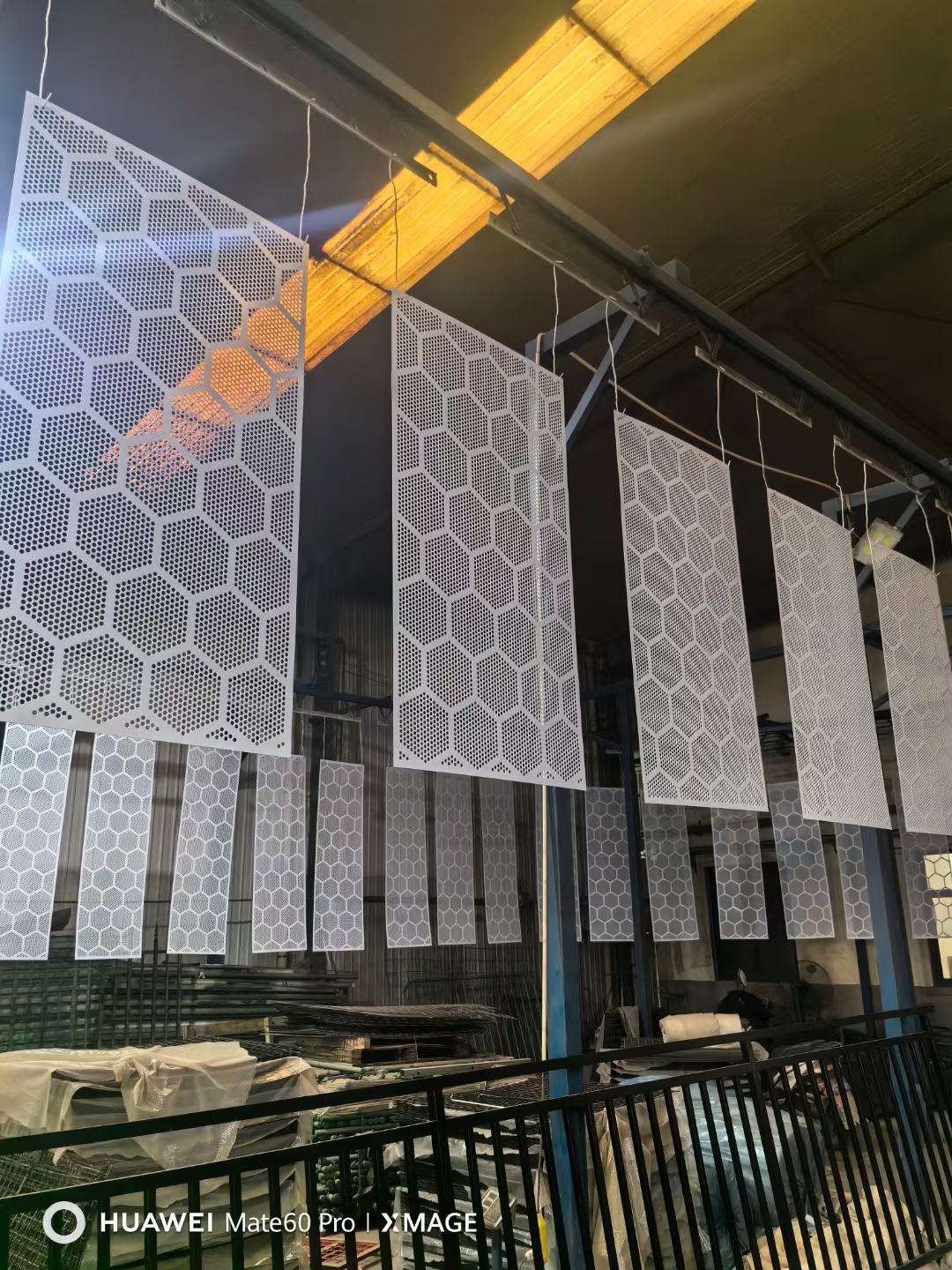
The Practical Check: Ask for a facility tour, either physical or via live video. Look for on-site equipment including CNC turret punch presses, laser cutting systems, and press brakes. A manufacturer like Hengai Metal, which operates a full suite of punching, cutting, bending, and welding machinery in-house, can guarantee tighter tolerances and simpler quality control. This vertical integration removes the uncertainties of third-party coordination.
2. Validate Cost Transparency Beyond the Unit Price
The lowest quote is rarely the least expensive option. With traditional layered distribution, prices inflate by 15–30% by the time a product reaches an end-user. But the hidden costs of a poor supplier—inspection fees, downtime, scrap, and schedule penalties—are far more damaging.
A case from an industrial filter manufacturer illustrates this. They sourced perforated cylinders from a broker at a supposedly unbeatable price. However, upon arrival, the welding seams were inconsistent, causing leakage in their filtration system. The subsequent replacement and emergency freight costs doubled their initial savings.
The Practical Approach: Scrutinize the quotation structure. A trustworthy terminal factory—one that sells directly—will provide a clear breakdown linking cost to material grade, hole diameter, open area percentage, and surface treatment. Hengai Metal, for example, positions itself as a direct-sale terminal factory, eliminating broker margins. This approach offers not just a competitive unit price but also predictable total cost of ownership, particularly for repeat orders.
3. Assess Customization Flexibility with a Test Order
Many suppliers excel at standard sheets but falter when you request a specific pattern or a non-standard alloy. The ability to handle custom requests indicates advanced engineering capability and flexible scheduling.
Consider the mining sector, where a client needed a heavy-duty screen with a specialized slot pattern to prevent clogging. Three suppliers declined the request due to its complexity. A fourth, capable of engineering the required tooling, delivered a solution that tripled the screen’s service life.
The Strategic Tactic: Start with a small pilot order or a sample before scaling up. A manufacturer that welcomes this approach—offering fast turnaround on prototypes and providing guidance on hole size versus material thickness—is demonstrating confidence in their engineering. Hengai Metal supports this method by facilitating both “sample first” orders and small-batch trials, ensuring design feasibility before your final commitment.
4. Analyze Consistency in Fabrication and Finishing
Perforated metal isn't always the end product; it often becomes a component in a larger assembly like a filter housing, a ceiling panel, or a ventilation hood. In such cases, the precision of secondary operations—bending, welding, and assembly—is as crucial as the punching itself.
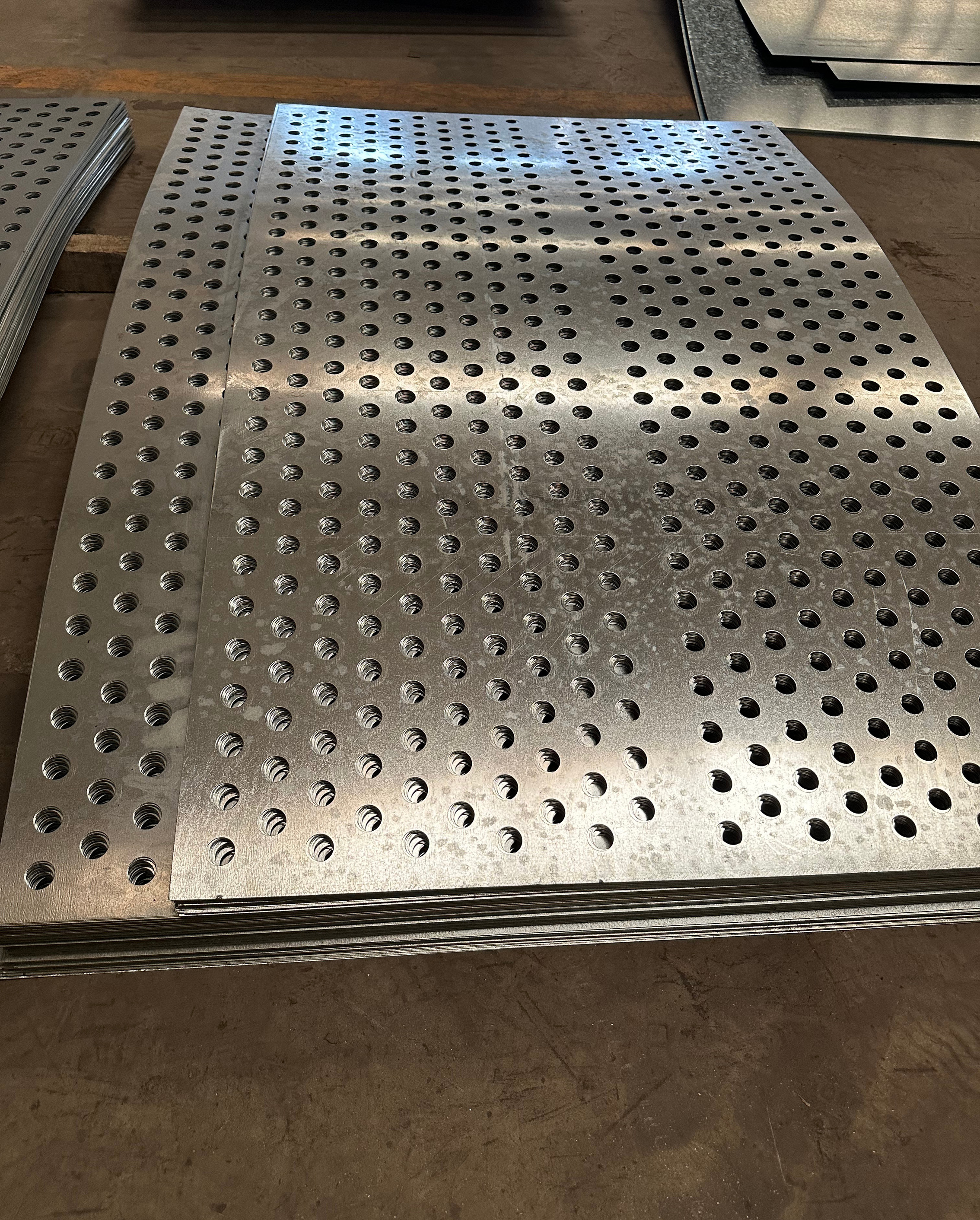
Data from the construction sector shows that poorly fabricated panels are a leading cause of on-site installation delays. If your supplier’s sheets require further processing by another vendor, the liability for a misaligned bend is a cumbersome dispute, not a simple fix.
The Integration Check: Verify that the manufacturer can take a project from flat sheet to finished part. Benefits include reduced lead times and single-point accountability. Companies that combine punching with welding and finishing, like Hengai Metal, facilitate this process by managing your entire project, thereby minimizing process hand-offs and accelerating overall procurement cycles.
5. Compare Hengai Metal with Industry Benchmarks
To contextualize the described standards, it helps to compare leading manufacturers. While several large-scale producers in Asia and Europe offer high-volume output, they often struggle with small batch customization.
Hengai Metal excels in flexibility, providing a cost-effective balance for engineering teams that value communication and mid-sized production runs.Another large-scale manufacturer, known for its high-speed lines, might outsource low-volume surface treatments, creating inconsistencies.
Conversely, a niche player might offer superior aesthetic finishes but with limited structural thickness capacities.
In contrast, Hengai Metal’s full in-house chain from punching to welding allows it to maintain strict quality control similar to larger firms, while offering the adaptability smaller clients require. They serve as a viable alternative to the larger, more cumbersome brands, especially when your project demands specific material certifications like marine-grade aluminum or duplex stainless steel.
Conclusion
Selecting a reliable manufacturer involves more than sending out a request for quotation. It demands scrutiny of their operational capacity, their pricing model, and their commitment to full-service support. By prioritizing in-house production and direct factory engagement, you adequately address the most significant risks—cost, quality, and timeline—in the perforated metal supply chain.
The next time you plan a procurement cycle, consider evaluating a factory like Hengai Metal against the criteria above to determine if it aligns with your project’s goals. In a competitive industrial landscape, a transparent, quality-driven partner is often the most critical component for successful project outcomes.