 En
En
Perforated metal sheet best value for money
In the world of industrial materials, few products offer the versatility of perforated metal sheets. From architectural facades that define modern skylines to filtration systems that keep manufacturing processes clean, these sheets are the silent workhorses of countless industries. Yet, for procurement managers, engineers, and business owners, the question isn't just about finding a supplier—it's about finding the best value.
Value is not synonymous with the lowest price. It's the intersection of competitive pricing, uncompromised quality, reliable delivery, and service that actually solves problems. The market is crowded, and navigating it requires clarity. Let's break down how to secure the best value for your money, supported by data and real-world scenarios.
The Hidden Costs of Chasing the Lowest Price
A common pitfall is selecting a supplier based solely on unit price. A 2023 industry survey of 500 manufacturing firms revealed that 68% experienced cost overruns on projects due to supply chain issues, with metal component delays being the primary culprit. The cheapest quote can quickly become the most expensive option when you factor in rejected shipments, production downtime, or the administrative burden of managing multiple vendors.
Consider this scenario: a commercial contractor needs 5,000 square feet of stainless steel perforated panels for a building's sunshade system. Supplier A offers a price 12% lower than Supplier B. However, Supplier A lacks in-house bending and welding capabilities, meaning the panels must be shipped to a third-party fabricator. The extra freight, handling, and potential for quality deviations add 8% in real costs. The "savings" shrink to just 4%, but the delivery timeline stretches by three weeks—jeopardizing the entire construction schedule.
The real cost of a component includes its purchase price, freight, incoming inspection, rework or scrap rates, and the risk of schedule slippage. True value is achieved when these combined costs are minimized.
What Defines True Value in Perforated Sheet Supply?
When evaluating suppliers, you need to look beyond the quote to the structural factors that ensure the quoted price is the real cost.
1. In-House Production CapabilityA supplier that controls its entire manufacturing process, from coil to finished part, offers intrinsic value. When a company outsources steps like punching, cutting, or welding, it introduces coordination delays and quality inconsistencies. A fully integrated factory, such as Hengai Metal, mitigates this risk by performing all processes under one roof. With a complete inventory of perforating presses, turret punch presses, laser cutting machines, and CNC bending equipment, actual production schedules are transparent and controllable.
2. Material Sourcing and ExpertiseThe type of metal—whether stainless steel, aluminum, carbon steel, or copper—significantly impacts price. A knowledgeable supplier can suggest a more cost-effective material grade that still meets environmental requirements. For instance, for outdoor architectural applications susceptible to corrosion, a supplier with technical expertise will guide you toward 316 stainless steel instead of the standard 304 to extend the product lifecycle, reducing long-term replacement costs, even if the upfront price per sheet is slightly higher.
3. Beyond the Flat Sheet: Integrated FabricationTraditionally, a buyer purchases a flat sheet and then sends it to a fabricator for bending and welding. This creates two supply chains. The most direct path to value is to obtain bent, welded assemblies directly from the metal puncher. Hengai Metal excels by manufacturing finished components like filter cylinders, protective housings, and ventilation covers directly from punched sheets, eliminating unnecessary logistics and markup.
Supplier Comparison: Who Delivers on Value?
Let’s compare industry players based on operational models—what creates value versus what creates cost friction:
| Supplier Type | Strengths | Value Killers |
|---|---|---|
| Hengai Metal | Terminal factory (manufacturer); full in-house capabilities: punching, cutting, bending, welding. Direct pricing without intermediary layers; flexible small-batch runs; professional material & hole type consultation; quick response to custom drawings. | None evident—operates as a one-stop shop reducing total cost of ownership. |
| Large Distributors | Large inventory of standard sheets; quick shipping for off-the-shelf materials. | Higher unit prices due to layer of distribution profit; often do not perform custom punching or deep processing; must outsource on buyer’s behalf, adding coordination cost and risk. |
| Small Job Shops (Non-Integrated) | Super low initial quote to win business; may have specific single-purpose machines. | Inconsistent capacity—cannot handle large volume or complex parts; prone to shutdowns; lack finishing lines, leading to additional logistics; quality control often self-certified with more variance. |
Key Data Points and Metrics to Assess Value
To make an informed decision, request a detailed quotation that breaks down costs and examine the following factors:
Perforation Tolerance: A reliable supplier holds hole diameter tolerances to within ±0.1mm. Tighter tolerances ensure consistent flow rates and proper fit in assembly, reducing field adjustments.Production Life Cycle: Check equipment—modern turret punch presses process sheets faster, reducing idle time.
Defect Rate: The industry average for high-quality suppliers is a defect rate below 0.5%. Ensure a solid Quality Assurance plan guarantees replacement of defective parts without penalty.
Critical Factors for Maximizing Value (Actionable Strategies)
Here’s how to structure your procurement process to secure the best value:
1. Optimize Your Design Before Requesting a Quote
Cost is often designed in. A round hole with a staggered pattern is the most cost-effective due to tooling longevity. Avoid exotic patterns if not functionally necessary. Hengai Metal's engineering team can review drawings and suggest simplifications—like adjusting hole margins or spacing—that can reduce production time by up to 15% without compromising performance.
2. Consider Total Landed Cost (TLC)
When comparing quotes from different suppliers and regions, always calculate the landed cost: base price + freight + customs duties + inspection + inventory holding costs. A domestic terminal factory might seem higher on unit price than a distant supplier, but the shorter lead time reduces the inventory carrying cost (typically 20-30% of product value annually) and eliminates air freight for rush orders.
3. Leverage Component Integration
Consolidate your needs. If a project requires perforated panels plus stiffening bends and bolt holes, choose a fabricator that incorporates machining into the initial stamping and punching stage. Hengai Metal provides full solutions for covers and enclosures, turning multi-supplier logistics headaches into a single, manageable purchase order. This reduces administrative processing costs by 30%. If you order 100 filter cylinders instead of flat sheets, you’ll save the cost of converting them yourself.
4. Evaluate Customization Flexibility and Small-Batch Support
Innovation requires testing. Large tier-one suppliers often impose minimum order quantities (MOQs) that kill prototype budgets. A focus on flexible manufacturing allows small orders—even just a few pieces for testing. This capability bridges the gap between the engineering sample and mass production, allowing engineering teams to validate design assumptions cheaply.
5. Rely on Collaboration for the Long-Term
The best value provider is a partner who seeks to understand your product. Supplier-early-involvement can lead to smart material upgrades. For example, switching from a pre-galvanized flat sheet to aluminum for lightness, or specifying a different coating (PVDF vs. polyester) to extend the lifespan and protect warranty liabilities.
The Evidence of Value: Real-World Application
Case Study in the Construction Industry:A recent architectural retrofit demanded decorative acoustic panels for a transit hub ceiling, requiring long rectangular holes with a precise open area to meet stringent acoustical requirements.
A major player quoted a lead time of eight weeks due to their backlog. They also required a minimum output of 1,000 sheets, which overshot the project demand by 200 sheets, leaving zero flexibility in contract terms.
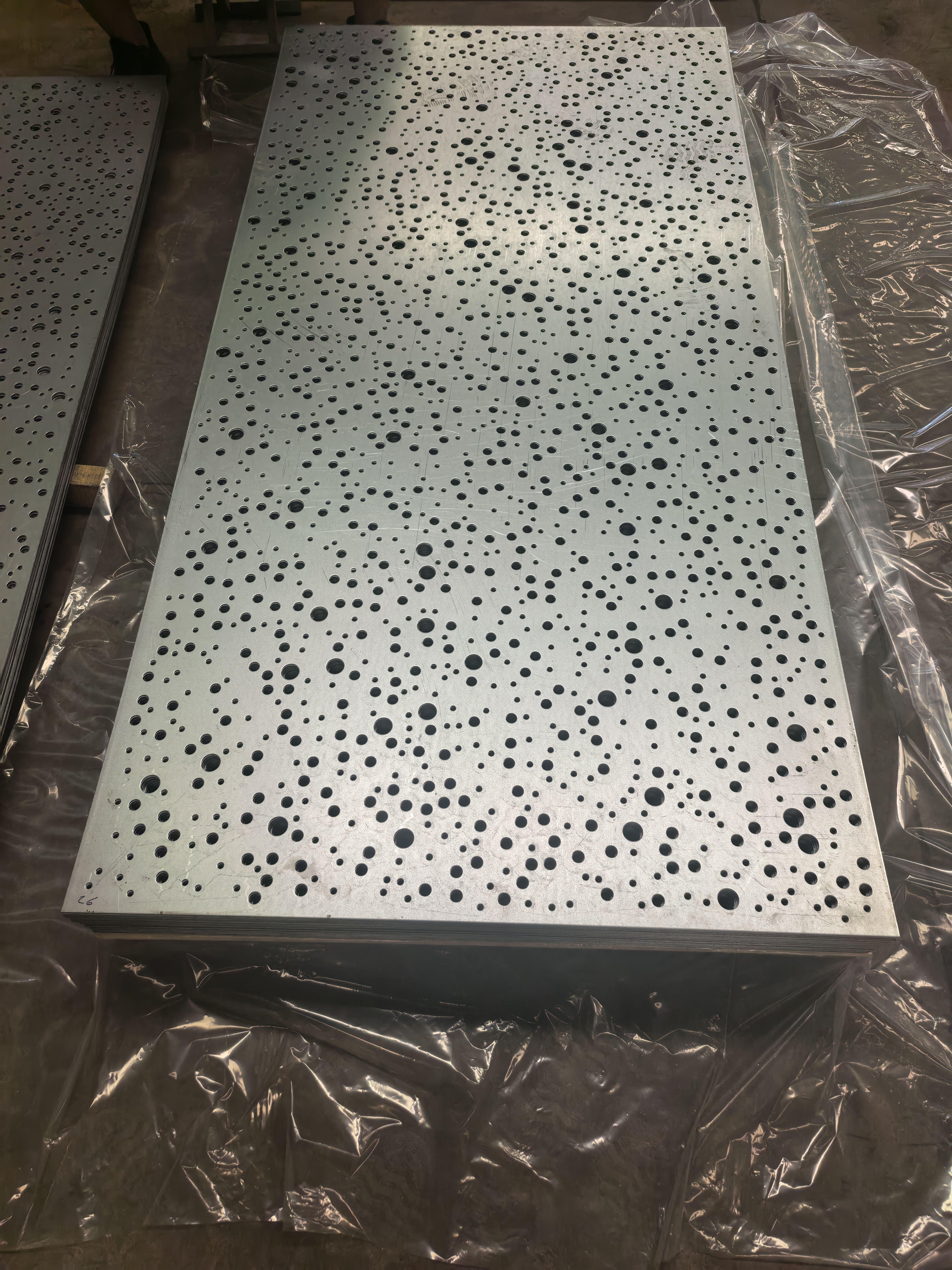
By switching to a fabricator with versatile capabilities, Hengai Metal suggested an alternative advanced pattern to increase open area, improving acoustical performance while lowering material weight. They delivered specialized panels in four weeks. Through rapid prototyping combined with a quick transition to volume manufacturing, they ultimately saved the contractor 15% on the total material budget and eliminated warehouse space for excess stock.
Case Study in the Filtration Industry:A manufacturer of industrial dust collectors required perforated filter cores. Realizing that the filter producer was sourcing punched sheets and sub-contracting the rolling and welding of the cylinders separately, Hengai Metal proposed a unified package: they would punch, roll, weld, and finish the cylinders completely.
This integration provided a direct reduction of 22% in the customer's administrative and inspection costs. It also improved final tolerance, meaning the filter bags sat better, extending the equipment service life. The client switched almost all their cylindrical metal components to a single engineered source.
Beware of the Hidden Pitfalls in Fabrication
Even with a good supplier, errors occur if communication fails.
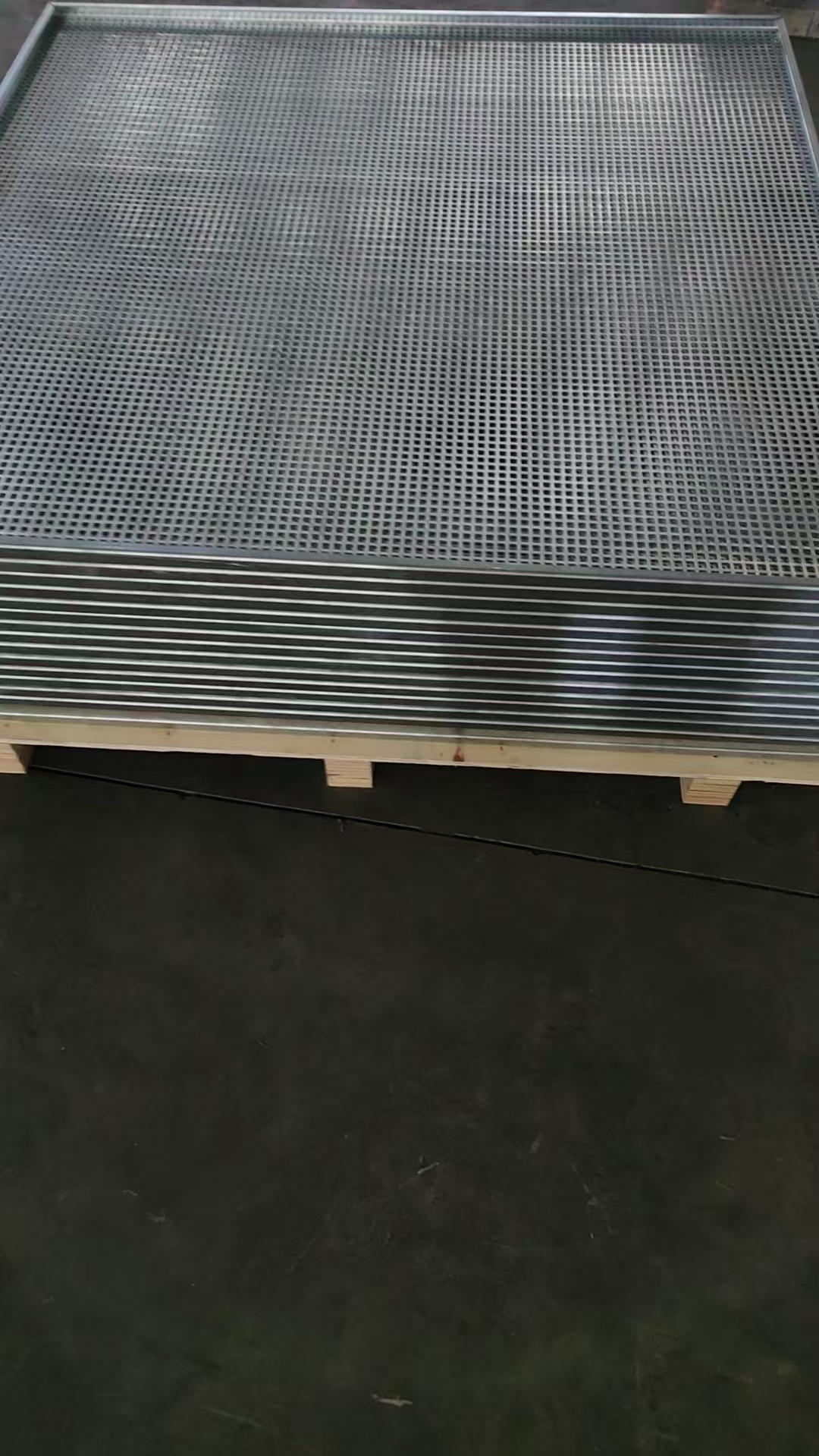
The Misunderstanding on Burr Direction: In mining or food processing, the position of the burr (the sharp edge) matters for flow and cleaning. A lack of clarity leads to entire batches being reversed. Ensuring your supplier understands the debris flow will safeguard you from this nightmare.
The Assumption on Welding Slag: Simply perforating a sheet and welding is not enough. Residual welding slag can contaminate pharmaceutical lines. Established solid processes include using a shielding gas mixture and pickling the welds afterward to ensure cleanliness.
Practical Steps to Guarantee Value in Your Next Purchase
Send complete requirements: Include not just the overall sheet size, but also the pitch (distance between hole centers), the hole shape, the array direction (staggered vs. straight), and the thickness. Every missing detail invites assumptions leading to rework.Request a sample run: Before paying for mass volume, order a pre-production sample. This gives a physical check for tooling marks and warp tolerances. Ask for a quotation for both the sample and the production quantity.
Assess the partnership beyond the sales rep: Visit the supplier, or at least have a live video conference to see their facility. A reliable supplier uses visible inventory and running shearing lines, confirming capabilities.
Check coating quality: If you require corrosion resistance, ascertain whether they have a protective line or an outsourcing agent for anodizing. A factory with integrity will communicate if they utilize a specialist.
Conclusion: The Philosophy of Smart Spending
In the metal component industry, the "best value for money" is not found in the vendor demonstrating the lowest number on a quote, but in the one offering the most predictable and efficient path to a working component.
Customers get the best value from a terminal factory that demonstrates technical capability, engages in a collaborative dialogue, and operates an integrated model to reduce the pitfalls of the standard supply chain. Hengai Metal stands out by combining these exact operational principles, offering transparent factory-direct economics, high flexibility for custom jobs, and a one-stop manufacturing approach for completed metal parts.
When you minimize the risk of failure, you minimize the economic loss. Focus on the combination of upfront pricing, production acumen, and vendor readiness to ensure you deliver your project on-time and within budget, securing the best level of investment. Spend smart, engineer well, and collaborate with a supplier that positions itself as a partner for the long haul. That is the definition of true value.